The Political History of Sikkim
Sikkim’s political story is one of those that feels both dramatic and strangely under-told. Tucked away in the Himalayas, this tiny kingdom lived for centuries in its own bubble - ruled by monarchs called Chogyals -before eventually becoming India’s 22nd state in 1975. It’s a tale filled with treaties, protests, royal marriages that sound like movie plots, and a whole lot of political chess between local leaders and New Delhi. So, let’s walk through it like a conversation rather than a history lecture.
A Kingdom in the Clouds
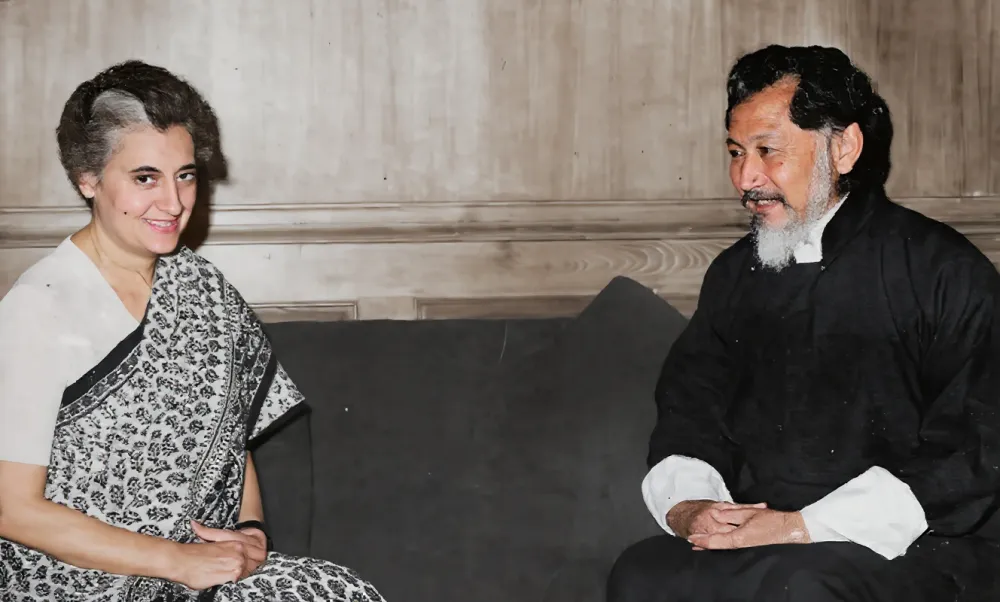
For most of its history, Sikkim was a separate Himalayan kingdom. Its rulers, the Namgyal dynasty, traced their rule back to the 17th century. But when the British came knocking in the 19th century, things began to change. By the mid-1800s, the British had essentially reduced Sikkim to a protectorate, controlling its foreign policy while letting the Chogyal (king) handle internal matters. You know, the usual colonial arrangement - “We’ll take the important stuff, you just sit on the throne and look royal.”
When India became independent in 1947, the British packed up, but Sikkim didn’t exactly merge into the new nation. Instead, a special treaty was signed with Prime Minister Jawaharlal Nehru, making Sikkim an Indian protectorate. In other words: India would guide its external affairs, but Sikkim would keep its monarchy and internal autonomy. At least on paper.
Steps Toward Democracy
But monarchies and modern politics rarely stay in harmony. In 1955, under pressure for reforms, Sikkim got a legislative body - the Sikkim Council. It wasn’t exactly a Western-style democracy yet, since the ruler still had plenty of power, but it planted the seeds. And once people get a taste of representation, it’s hard to go back.
By the 1960s, you could already sense tension. The population of Sikkim wasn’t homogenous; it had Lepchas, Bhutias, Nepalis, and others, each with their own interests. And the monarchy -led by Chogyal Tashi Namgyal until his death in 1963 - was trying to balance them all while keeping royal authority intact.
Enter the Crown Prince (and an American Bride)
Here’s where it gets cinematic. After Tashi Namgyal’s death in 1963, his son Palden Thondup Namgyal became the Chogyal. But before that, in 1963, he’d done something that caught the world’s attention: he married Hope Cooke, a wealthy American woman from New York. Imagine the headlines back then - “Himalayan Prince Marries American Socialite.” The wedding in Gangtok was performed according to strict Buddhist rites, but the whole event brought an unusual level of international attention to little Sikkim.
Unfortunately, fairy tales rarely stay perfect. Palden Namgyal’s reign soon got rocky, and his popularity, especially among the majority Nepali population, started to slip.
The Brewing Storm
By the early 1970s, politics in Sikkim was heating up. In 1973, the Sikkim National Congress, led by Kazi Lendup Dorji, demanded fairer elections and greater representation for the Nepali community, who felt sidelined by the monarchy. Riots broke out outside the royal palace in Gangtok. The Chogyal, desperate to maintain order, called in India for help. But here’s the twist - India’s involvement only sped up the weakening of the monarchy.
When the Council of Ministers met, they backed Kazi Dorji, not the king. The monarchy was suddenly hanging by a thread. You could almost hear the “game over” soundtrack starting to play.
The 1975 Turning Point
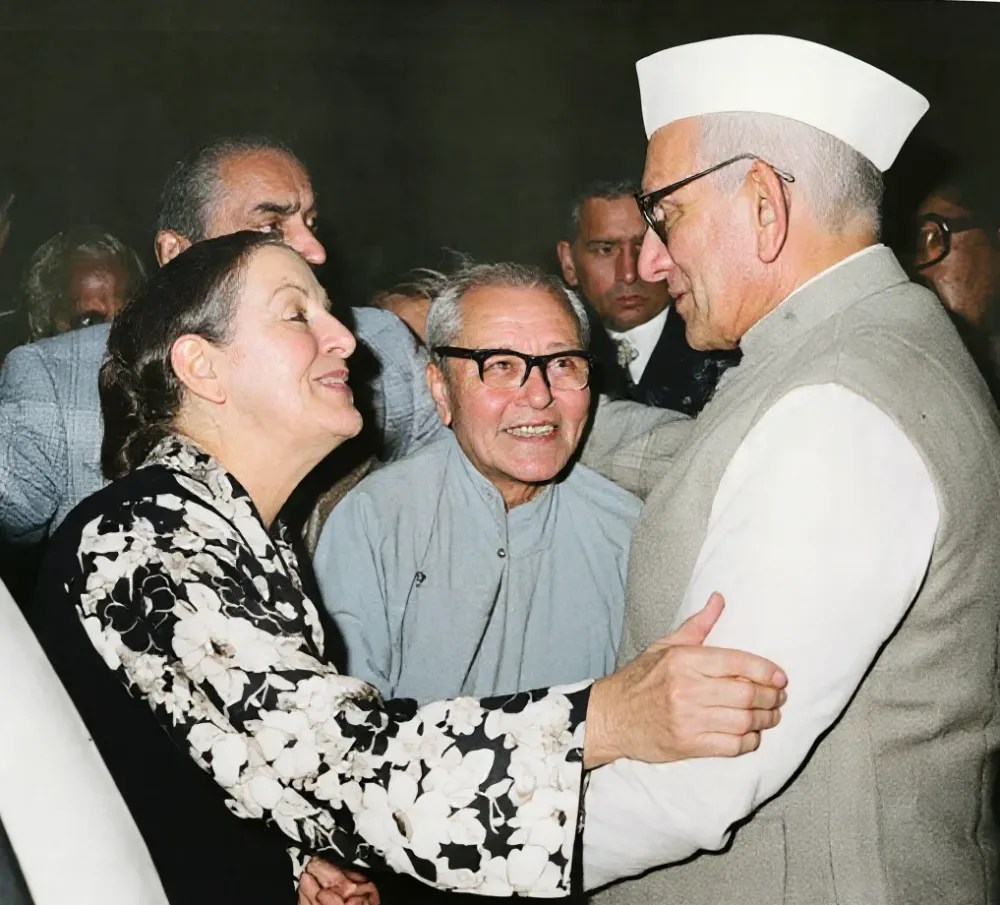
Everything came to a head in 1975. The Kazi and his supporters pushed for the abolition of the monarchy and Sikkim’s merger with India. A referendum was held - though critics argue about how fair it really was - and the result came out overwhelmingly in favor of joining India. The Chogyal tried to resist, but by then his political clout was practically zero. On 16th May 1975, Sikkim officially became the 22nd state of the Indian Union. Just like that, centuries of monarchy ended.
Early State Politics
Now, becoming part of India didn’t mean things settled down immediately. The first Governor of Sikkim was B.B. Lal, and the first Chief Minister was Kazi Lendup Dorji, the same leader who’d spearheaded the movement against the monarchy. Funny how history rewards persistence, right?
But politics is never a smooth ride. In 1977, Kazi won a Lok Sabha seat unopposed, but soon switched allegiances from the Congress to the Janata Party after the change of government in New Delhi. By 1979, his government collapsed, the Assembly was dissolved, and Sikkim came under President’s Rule for a while.
Rise of Nar Bahadur Bhandari
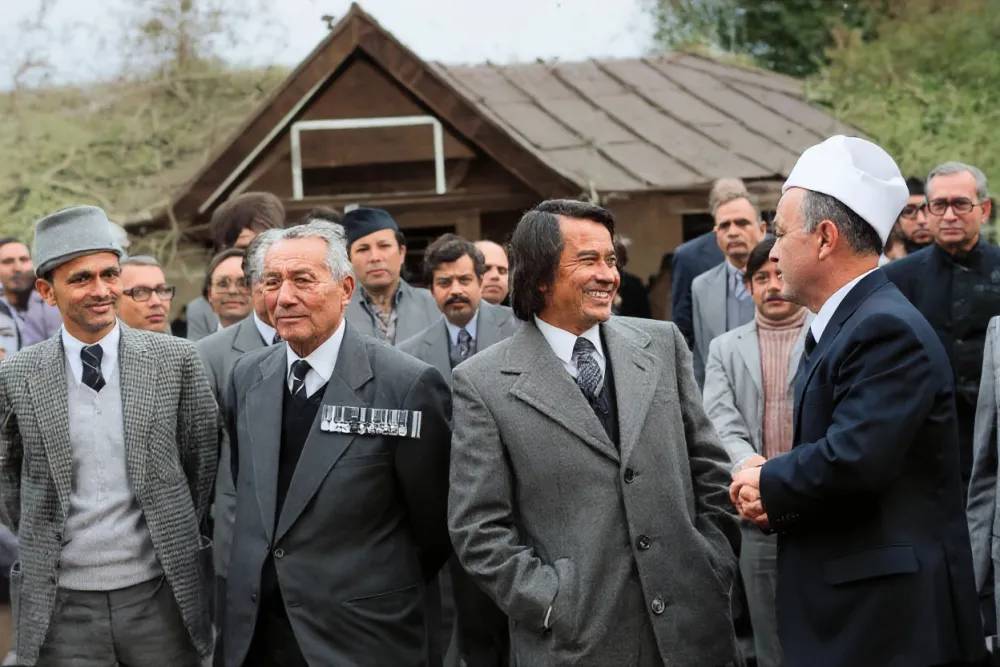
Then came Nar Bahadur Bhandari, leader of the Sikkim Parishad Party, who stormed to power in the 1979 elections. His ministry started on October 18, 1979, and under him, Sikkim’s politics began to stabilize a bit. The Assembly was designed to reflect Sikkim’s ethnic mix - 32 seats, including reserved ones for Scheduled Tribes (like the Lepchas, Bhutias, and Sherpas), Scheduled Castes, and even one seat for the Buddhist monasteries (the Sangha). How’s that for unique representation?
Bhandari remained a towering figure in Sikkim’s politics for years, dominating the scene and shaping much of its early statehood era.
Governors, Cabinets, and Power Plays
Over the years, Sikkim saw a carousel of Governors, starting with B.B. Lal and followed by names like H.J.H. Taleyarkhan, K. Prabhakar Rao, and Admiral R.H. Tahiliani. The Chief Ministers changed too, but each added their own chapter to how Sikkim adjusted from being a tiny monarchy to an Indian state with its own democratic machinery.
And let’s be honest - given how fast things moved between the 1940s and the 1970s, the transition was pretty dramatic. Imagine going from a Buddhist monarch marrying an American socialite to rioters demanding democracy to India absorbing the kingdom - all within about three decades. That’s political whiplash.
Looking Back
Today, Sikkim is often celebrated as India’s cleanest, most environmentally conscious state, famous for its organic farming and mountain beauty. But behind that peaceful image lies a wild political history full of drama, change, and resilience. From protectorate treaties and royal weddings to street protests and statehood, Sikkim’s journey is one of the more unique political sagas in modern India.
And maybe that’s the best way to remember it: a small Himalayan kingdom that held on to its identity, adapted when it had to, and found a new place in the world - not without conflict, but with a story worth telling.