Rabdentse
High on a ridge above Pelling, with the snow-clad Khanchenjunga in the distance, Rabdentse sits quietly in ruin. Once the proud capital of Sikkim, it’s now a place of mossy stones, broken walls, and silences that feel heavy with memory. Walking here is less about ticking off a tourist site and more about listening - to what remains, and maybe to what doesn’t.
Regal Beginnings
Back in the late 1600s, Sikkim’s second king shifted his throne to this spot. For a while, Rabdentse thrived as the kingdom’s seat of power - a place where rulers planned alliances, monks blessed the land, and life unfolded under the watchful gaze of the Himalayas.
But dynasties are rarely drama-free. Succession disputes broke out, siblings turned rivals, and eventually, even murder entered the palace walls. Outside pressures didn’t help either. Neighboring armies pushed in, battles scarred the land, and by the early 1800s, Rabdentse had been abandoned to the forest. What’s left today is a skeleton of that world - the bones of a capital swallowed by time.
Stones That Speak
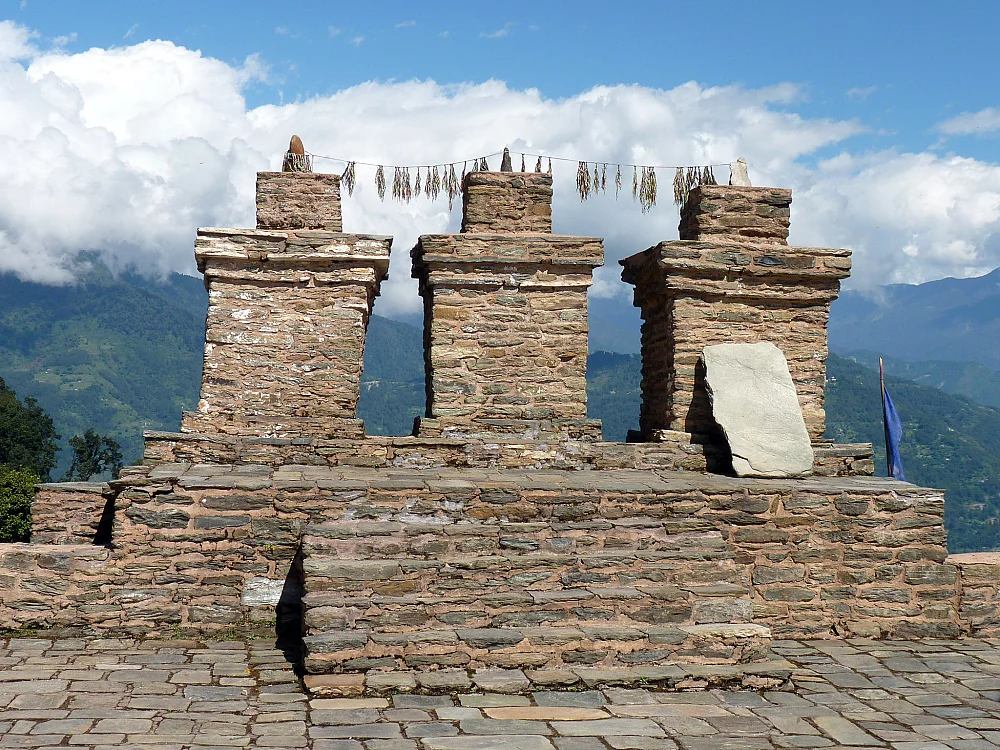
The walk in sets the tone: a shaded trail through chestnut trees, damp with moss and birdsong. Eventually, the ruins emerge - a scattering of stone walls, old courtyards, and three small stupas that have somehow endured.
It doesn’t take much imagination to picture the palace as it once was. There were two wings: private royal quarters with a marble altar for prayers, and a public area where justice was pronounced from stone thrones. Visitors once bowed at the entrance chortens before being allowed in - gestures of devotion and deference mingling in one place. Now, it’s mostly just the sound of the wind through the trees.
A Spiritual Thread
Rabdentse isn’t only a historic site; it’s also a spiritual waypoint. Pilgrims often tie it into a circuit that includes Pemayangtse Monastery, just down the road. Stories float around about divine signs, miracle-born heirs, and lineages saved in unexpected ways. The air itself feels layered - part history, part legend.
For birdwatchers, there’s another kind of devotion. The ruins are home to a surprising variety of species. Rare birds dart through the branches as if to remind you the forest has reclaimed what kings lost.
Visiting Rabdentse
It’s not a difficult place to reach. From Pelling, a short drive brings you to the trailhead, marked by a simple gateway. The hike up takes 15-20 minutes depending on your pace, and though it’s not strenuous, sturdy shoes are a good idea. Weather here can flip quickly - a sunny walk up can turn to mist or rain by the time you reach the ruins.
Best times to go? Spring, when the trail is fringed with blooms, or autumn, when the skies are at their clearest and the peaks reveal themselves. On crisp mornings, the ruins almost glow in the light, making the journey worth every step.
Beyond the Ruins
Rabdentse pairs beautifully with nearby stops. Pemayangtse Monastery is close by, its prayer halls humming with the rhythm of daily devotion. In Pelling, you’ll find waterfalls tumbling into deep gorges and viewpoints that stretch your gaze across valleys and peaks. If history grabs you, other old sites scattered around West Sikkim add more threads to the story.