Namchi
Sitting at about 5,500 feet in South Sikkim, Namchi is a small town with a big personality. The name literally means "Sky High", and once you’re here - looking out at misty hills, massive statues, and green valleys - you’ll see why. Just 78 km south of Gangtok, it’s a place where spirituality meets scenery, where temples sit beside rhododendron trails, and where a plate of spicy pork momos tastes best with mountain air.
A Little Backstory
Namchi isn’t just another hillside town - it’s a patchwork of faith, folklore, and festivals.
- Once a quiet hamlet, it grew into the district capital and a hub for pilgrims.
- Its name nods to the Himalayan skies, hinting at both altitude and attitude.
- Ancient Lepcha and Bhutia roots still shape the local culture, with monasteries and seasonal festivals keeping tradition alive.
Where the Gods Tower (Literally)
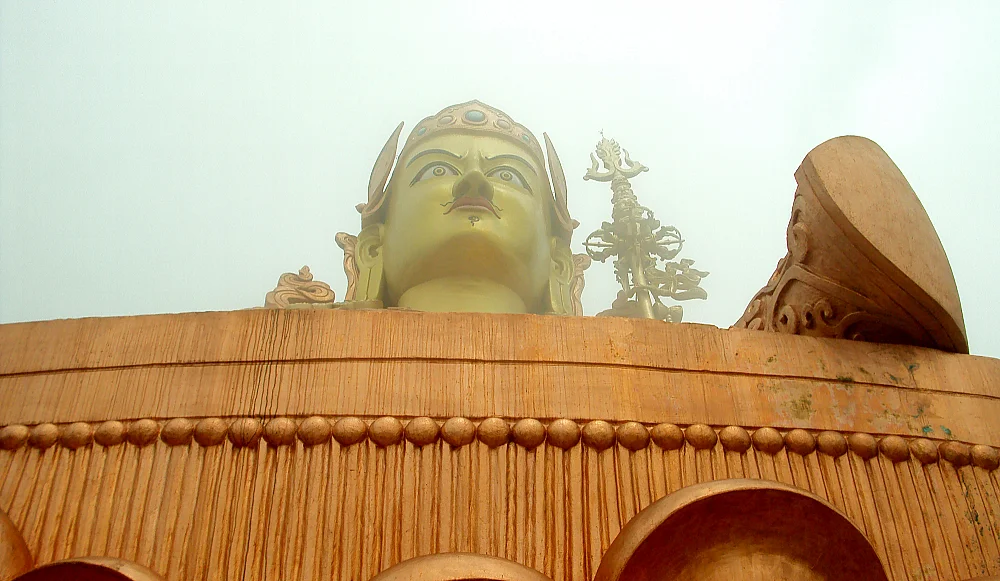
Sacred sites dominate Namchi’s skyline - and they don’t do subtle here.
- Samdruptse Hill - Home to a jaw-dropping 135-foot statue of Guru Padmasambhava, gazing over the valleys.
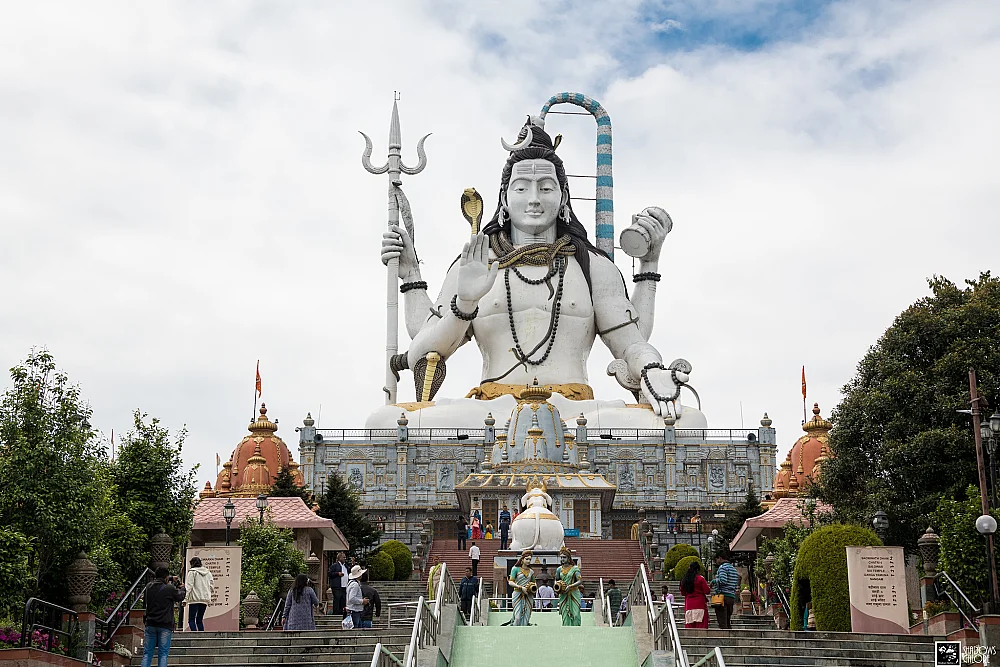
- Solophok Chardham - A vast complex replicating India’s four holy Char Dham pilgrimages, complete with a towering Shiva statue.
- Siddheswar Dham - More replicas of India’s sacred temples, set against green ridges.
- Sai Mandir - A peaceful, gleaming temple dedicated to Sai Baba, perfect for a quiet pause.
- Ngadak Monastery - One of the oldest in the region; its faded murals and quiet courtyards whisper history.
Step Outside: Namchi’s Natural Escapes
When the shrines are ticked off your list, lace up your shoes — the hills here invite wandering.
- Tarey Bhir - A dramatic cliff with a 3 km ridge walk and sweeping views of the Teesta River. Sunrise here? Magical.
- Tendong Hill - A forested trek steeped in Lepcha legends, ending with a 360-degree Himalayan view.
- Doling Gompa - A monastery tucked inside the woods, where rhododendrons bloom in spring.
Eat, Drink & Celebrate
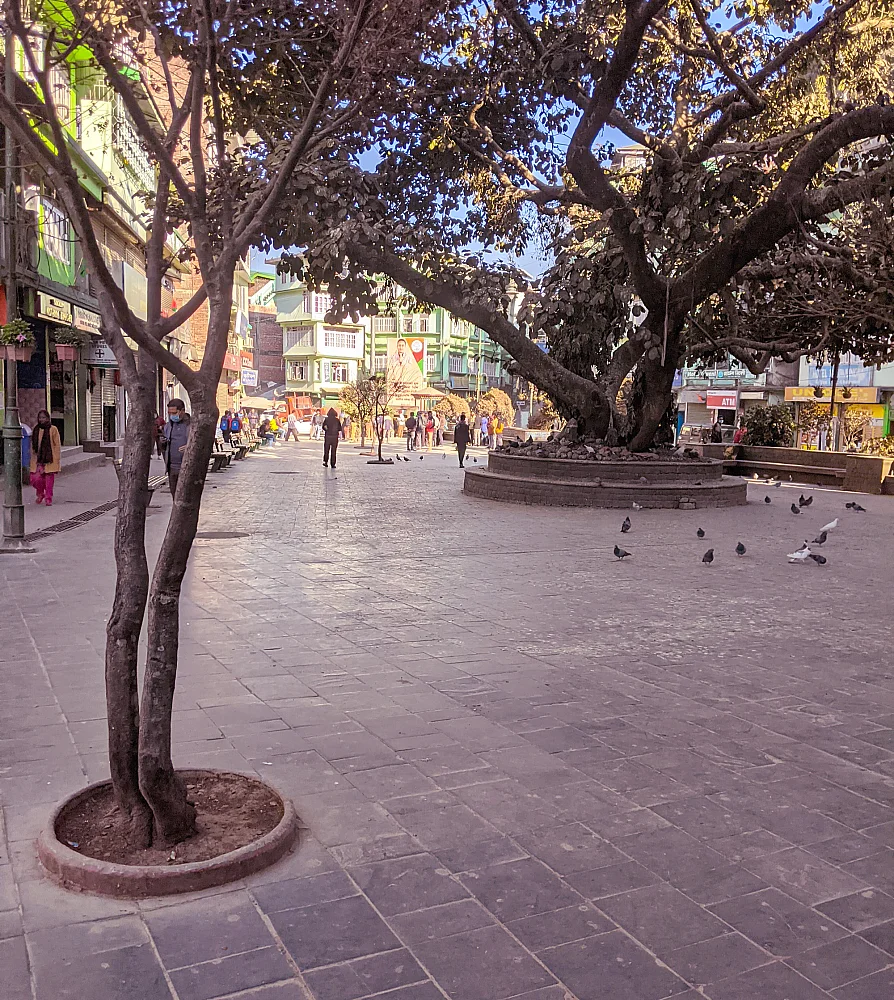
Namchi’s not just about temples and trails - it’s about taste and tradition too.
- What to eat - Fermented bamboo shoots, spicy pork curry, thukpa, and local millet beer. Simple, hearty, and perfect after a hike.
- Festivals - Don’t miss Pang Lhabsol, where locals honor Mt. Kanchenjunga with masked dances and communal feasts.
- Shopping - Pick up woolen shawls, bamboo crafts, and herbal teas at the bazaar — good souvenirs, and you’re supporting local hands.
Getting There
The journey itself is half the fun - twisting roads, river valleys, and endless postcard views.
- From Siliguri - 92 km, about 3-4 hours by car or shared taxi.
- From Gangtok - 78 km, roughly 2 hours.
- By air/rail - Bagdogra Airport (118 km) and New Jalpaiguri Station are your entry points, followed by a cab ride into the hills.
When to Go
Namchi wears different moods through the year. Pick yours.
- Spring (Mar–May) - Flowers, mild weather, perfect for treks.
- Autumn (Sep–Nov) - Clear skies, festivals, great for photos.
- Winter (Dec–Feb) - Chilly but cozy, with fewer tourists.
- Monsoon (Jun–Aug) - Best avoided - landslides and leech-friendly trails.
Nearby Detours
Namchi also makes a great base for exploring South and West Sikkim.
- Ravangla (26 km) - Famous for Buddha Park and the Maenam Wildlife Sanctuary.
- Temi Tea Garden - Sikkim’s only tea estate, where you can sip fresh brews among cherry blossoms.
- Pelling - Ancient monasteries and jaw-dropping Kanchenjunga views.