Kabi Longtsok
At about 4,800 feet in North Sikkim, Kabi Longtsok sits quietly among forests and hills, just 17 kilometers north of Gangtok on the North Sikkim Highway. More than a landmark, it is remembered as the ground where alliances shaped Sikkim’s beginnings, and where visitors now find a blend of history, culture, and natural calm.
Forged in Blood: The Legacy of Brotherhood
In the 13th century, Lepcha chief Thekong Tek and Bhutia prince Khye Bumsa met here to seal a “Treaty of Blood Brotherhood.”
- Their vow, made in the presence of mountain spirits and marked by stones, promised lasting peace between the two communities.
- The pact laid the foundation for Sikkim’s mixed heritage, weaving indigenous traditions with new influences.
- Local lore ties the meeting to prophecies and prayers for descendants, linking it to the dynasty that later ruled the region.
The Grove and Its Symbols
Kabi Longtsok is more than a story - it is a place where reminders of that oath stand amid quiet woods.
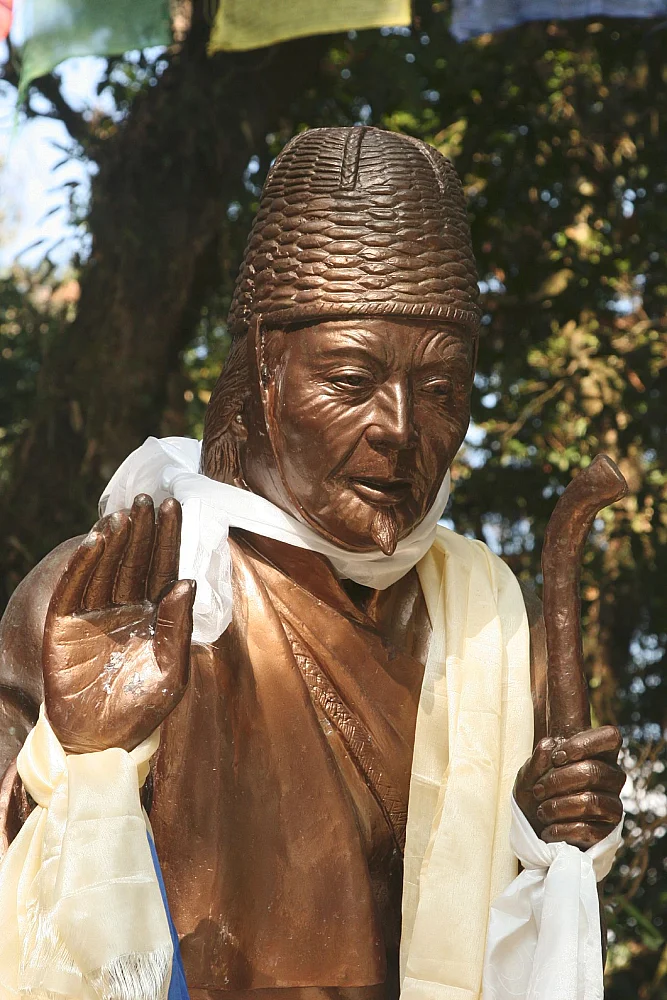
- At the center are a memorial stone pillar and statues of the two leaders, set among fluttering prayer flags.
- A small Buddhist shrine rests nearby, adding to the site’s reflective mood.
- The paths are lined with alnus and castanopsis trees, with streams and occasional birdsong lending a gentle rhythm.
Ways to Experience It
Visiting Kabi Longtsok is simple, yet it invites slow exploration.
- Trails from the roadside lead to the memorial within minutes, making it an easy stop for travelers heading north.
- The forest cover and open spaces suit quiet walks, photography, or a picnic.
- During Pang Lhabsol, dances and rituals here celebrate the bond of brotherhood with color and music.
Echoes of Culture
The site is still tied to the lives of local communities.
- The Lepcha and Bhutia people continue to honor their shared past through customs that blend shamanic and Buddhist practices.
- Festivals such as Sekhiuk Puja, with prayers for good harvests, bring villagers together in the spirit of the original pact.
- Homestays in nearby Kabi village offer a closer look, along with local food and stories over butter tea.
Reaching Kabi Longtsok
Getting here is straightforward.
- From Gangtok, it takes about 40 minutes by jeep or cab along the North Sikkim Highway.
- Bagdogra Airport is around 145 km away, while New Jalpaiguri is the nearest major rail station. From either, road travel to Gangtok takes 4–5 hours.
- Overnight stays in Kabi village give visitors more time with the site and its surroundings.
Best Time to Visit
- March to May brings clear weather and blossoms.
- September to November offers bright skies and festival days.
- The monsoon season is best avoided due to landslides and heavy rains.
Nearby Places
Kabi Longtsok is often paired with short detours.
- Phodong Monastery, with its murals and monastic calm, lies close by.
- The Seven Sisters Waterfalls provide a scenic break on the way north.
- Tashi Viewpoint near Gangtok gives wide views of Kanchenjunga.